Regular psychotherapy sessions are provided through telehealth or in-person appointments, which typically last 25 minutes, but could be 50 minutes depending on your needs and treatment plan. These sessions focus on applying cognitive behavioral techniques to help clarify workbook material, overcome barriers to change, sustain motivation, and monitor progress.
Our guided self-help programs include three main parts: (1) a self-help workbook, (2) check-in appointments, and (3) outcome monitoring. See below for more details.
- Self-Help Workbooks -
You will start by working through a self-help workbook. We have chosen six workbooks for their presentation of the most up-to-date, evidence-based material currently available by authors who have direct experience researching and treating those with the respective problems. They include information and skills that we know work based on decades of research.
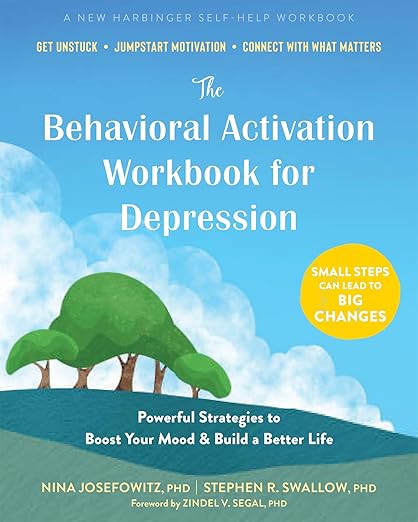
The Behavioral Activation Workbook for Depression
When people feel depressed, they often lose interest and pull back from meaningful activities, which leads to a cycle of fatigue, low motivation, and worsening mood. This workbook focuses on how your behavior can get you out of this cycle. This method, known as behavioral activation, has helped thousands break this cycle and reclaim a sense of purpose. Supported by extensive research, behavioral activation works by helping you become more active, which in turn lifts your mood, increases motivation, and encourages more engagement in meaningful activities.
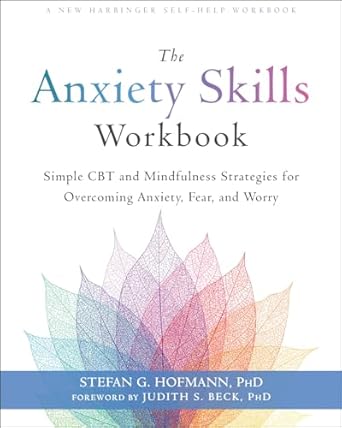
The Anxiety Skills Workbook
When people experience chronic anxiety, they often feel that their worry and nervousness are out of control and that it hinders their lives. This workbook is designed to help you break free from anxiety’s grip using evidence-based strategies grounded in years of research on cognitive behavioral therapy (CBT). CBT gives you tools to help you regulate the cognitive, behavioral, and physiological components of your anxiety. With consistent practice, you will learn ways to face your fears and feel more confident to tackle life’s challenges. All of this will be in the service of bringing you closer to the life you want to live.
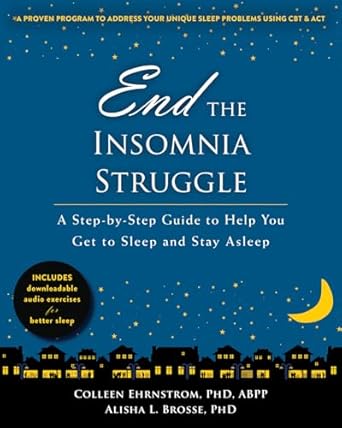
Quiet Your Mind and Get to Sleep
When we have insomnia, we have a hard time either going to sleep, staying asleep, or waking up earlier than we want, and this can make us feel exhausted, frustrated, and even anxious about our sleep. This workbook introduces cognitive behavioral therapy for insomnia (CBT-I), an evidence-supported treatment that addresses the thoughts and behaviors that interfere with restful sleep. CBT-I helps you learn to consolidate and recondition your sleep. This workbook also considers challenges that people with co-occurring depression, anxiety, and chronic pain can have when trying to sleep.
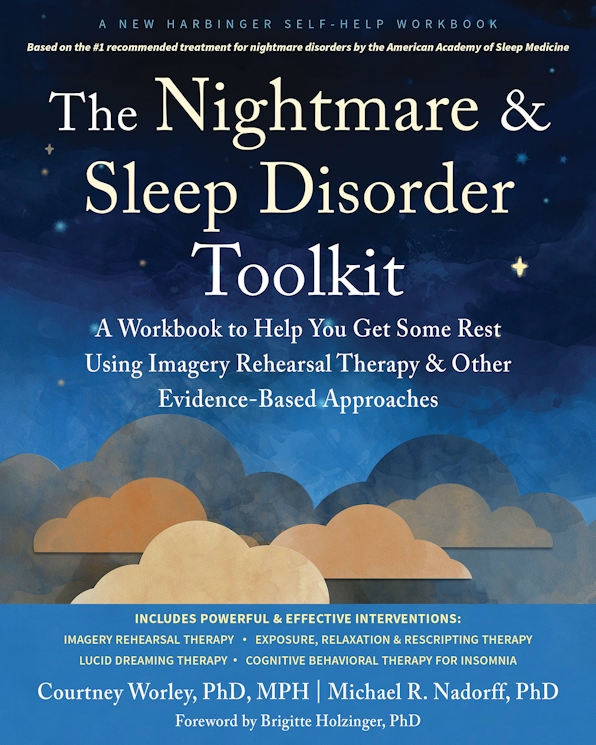
The Nightmare and Sleep Disorder Toolkit
When we experience frequent nightmares, sleep can become something we dread, leading to insomnia, daytime fatigue, poor concentration, and increased distress. This workbook introduces imagery rehearsal therapy (IRT), the first-line, evidence-supported treatment for nightmare disorder, along with additional strategies for coping with restless nights. You'll better understand the factors contributing to your sleep difficulties and practical skills to reduce nightmares, improve sleep quality, and regain confidence in your ability to get restful sleep.
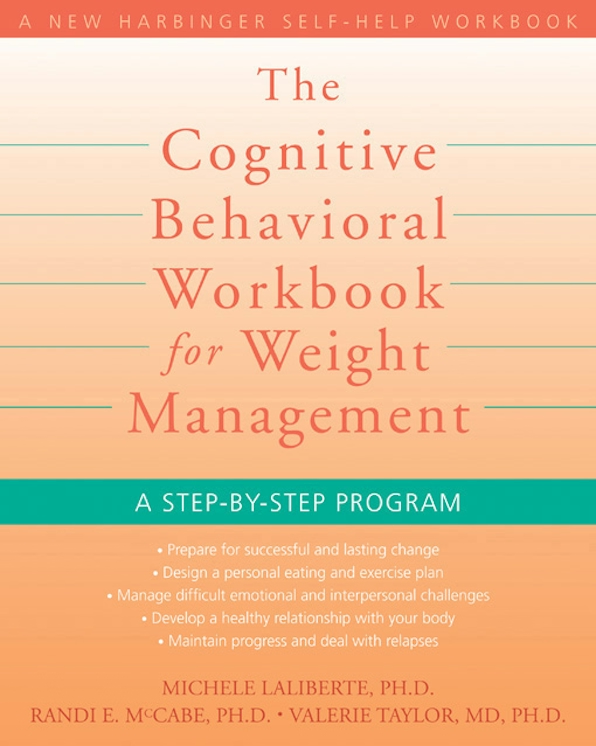
The Cognitive Behavioral Workbook for Weight Management
When we try to manage our weight, we often know what we should do but find it hard to stay consistent, which can be frustrating and discouraging. This workbook introduces cognitive behavioral therapy, an evidence-supported approach that helps you manage emotional and interpersonal triggers and change the thoughts and behaviors that interfere with your weight goals. This workbook will help you build a personalized, realistic weight management plan and includes exercises and worksheets to support your change.
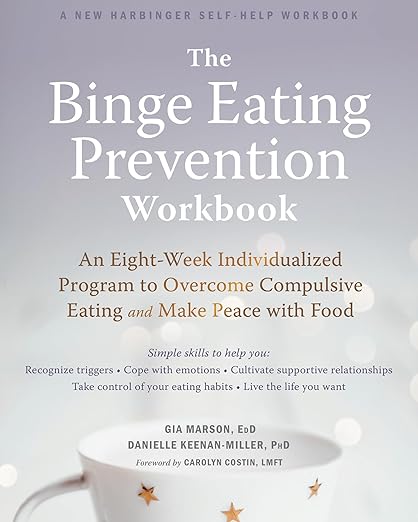
The Binge Eating Prevention Workbook
Those experiencing binge eating disorder often have a loss of control while they eat, irregular eating patterns, eating driven by emotions, and feelings of shame and poor body image. This workbook introduces cognitive behavioral therapy designed to help you break free from the binge eating cycle and rediscover a more productive relationship with food and your body. Through science-backed techniques, you’ll learn to identify triggers, eat more consistently, manage emotions, and set meaningful goals—without relying on diets or willpower alone.
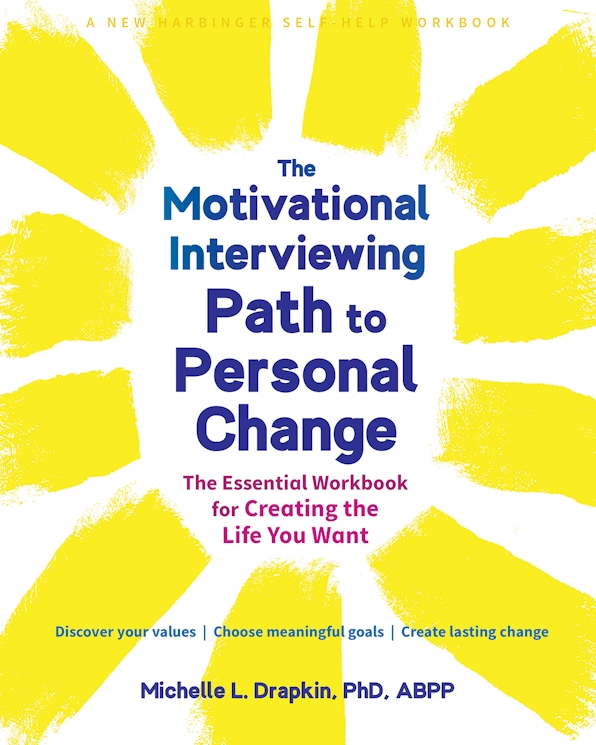
The Motivational Interviewing Path to Personal Change
Many people who want to reduce or quit nicotine use struggle with ambivalence, situational triggers, cravings, and repeated attempts that don’t stick. This workbook introduces motivational interviewing, a research-supported approach that helps you clarify your goals, strengthen your motivation, and develop a plan for lasting change. This workbook provides opportunities for self-reflection and change, you’ll learn to resolve mixed feelings, build confidence, and take actionable steps toward reducing or quitting nicotine use.
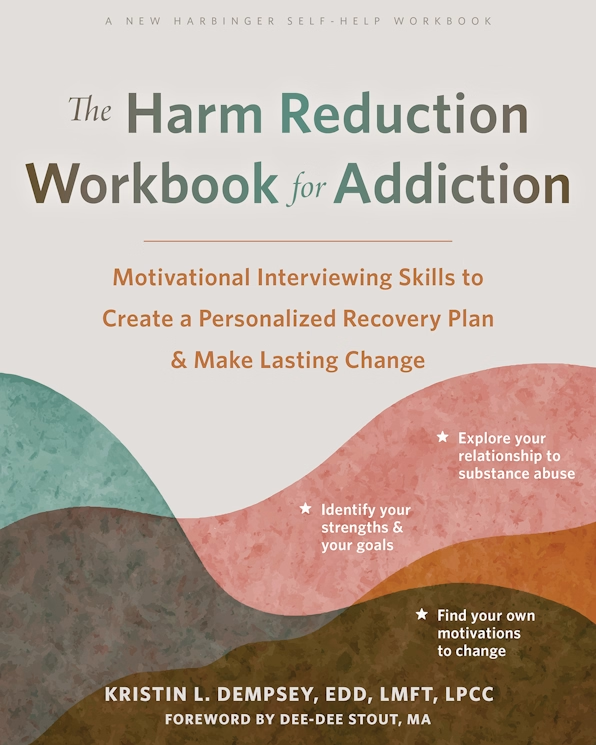
The Harm Reduction Workbook for Addiction
People who want to reduce or quit using marijuana often struggle with triggers, cravings, wavering motivation, and uncertainty about what change should look like. This workbook introduces motivational interviewing and behavioral therapy, two research-supported approaches that help you explore your relationship with marijuana, clarify your goals, strengthen your motivation, and develop a personalized plan for change. Through guided self-reflection and skills-based exercises, you’ll learn how to reduce or stop your marijuana use.
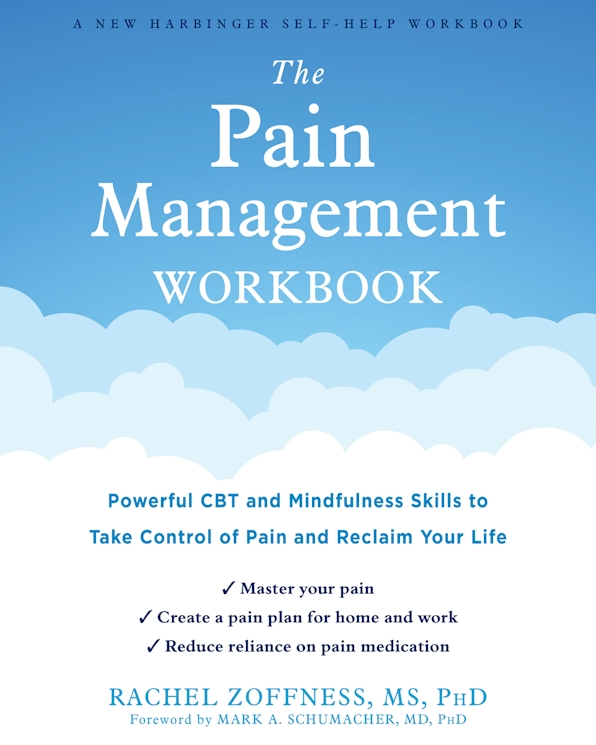
The Pain Management Workbook
Living with chronic pain can be exhausting, limiting daily activities, and affecting mood and sleep. This workbook uses cognitive behavioral therapy, including mindfulness-based strategies to help you manage pain more effectively. You’ll learn skills to reduce the impact of pain on your life, set realistic goals, improve physical and emotional functioning, and regain a sense of control. These strategies are supported by research showing that cognitive behavioral interventions can help break the pain cycle and significantly improve quality of life.
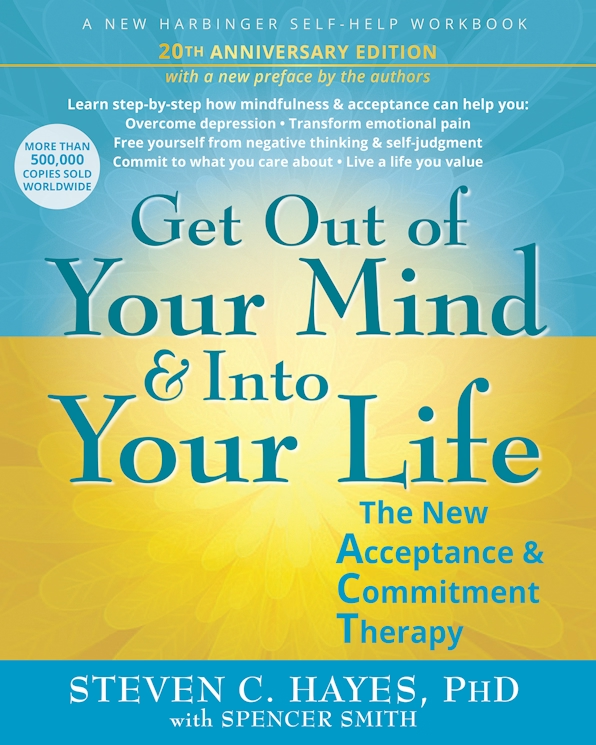
The Acceptance and Commitment Therapy Skills Workbook
Tinnitus can be intrusive and emotionally draining, often pulling attention away from the things that matter most. This workbook uses acceptance and commitment therapy-an evidence-based treatment for tinnitus distress-and teaches skills to change your relationship with difficult internal experiences such as tinnitus. Rather than trying to eliminate tinnitus, you’ll learn acceptance, mindfulness, and values-based strategies to reduce struggle, increase flexibility, and re-engage in meaningful activities.
- Check-In Appointments -

- Outcome Monitoring -
As you work through treatment, you’ll complete brief, validated measures every other week. This will help us determine if your symptoms are improving or not, you are reaching your treatment goals or not, and we need to make adjustments or not. Progress updates are reviewed with you so you are up-to-date with how you are doing.
- Get Started -
Schedule a 15-minute phone consultation to see if we are a good fit.
Schedule a Consultation